


The development of magnetic tape during the 1920s quickly ushered in a way to capture audio, visual, and other data formats inexpensively and effectively. As the name implies, magnetic tapes use electrical signals that imprint data on the surfaces of these tapes.
Magnetic tape quickly became popular because it was a reliable, inexpensive, and effective way to record and playback data for business or entertainment purposes. Unfortunately, magnetic tapes are not permanent audio or video storage solutions.
Here we’ll cover what can go wrong with magnetic tapes. You’ll also discover how to care for magnetic tapes and preserve their contained data for many years.
Common Examples of Magnetic Tape Formats
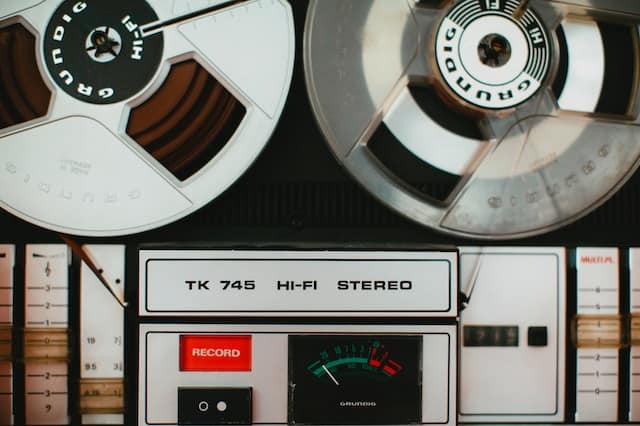
Magnetic tape remained a popular way to preserve audio, video, and other data for decades. Even today, some companies and media enthusiasts continue using magnetic tapes. Depending on when you grew up, you might remember a small form of magnetic media called the 8-track. A decade or so later, audio cassette tapes became another form of magnetic media that rose to popularity.
However, magnetic tapes weren’t used only for audio preservation. Many popular video formats also exist on magnetic tapes, including VHS, U-matic, and Betamax. Reel-to-reel tapes are another popular form of magnetic media used for audio and video purposes.
What Can Go Wrong With Improperly Stored Magnetic Tapes?
While magnetic tapes have advantages, they’re not immune to damage. Here are the most common reasons why magnetic media wears down.
Sticky Shed Syndrome
On the surface, magnetic tapes look like a tightly rolled layer of tape. However, this kind of tape contains several layers of material pressed together. The top layer of magnetic tape is the binder. A binder holds magnetic charges and binds them to the actual tape.
Unfortunately, the binder of magnetic tapes can break down due to a process called hydrolysis. The hydrolysis process begins when binders become exposed to water. This water doesn’t have to come from a spill or flood – tapes also absorb moisture from the air.
As a tape binder’s polymers absorb moisture, it often causes a much-feared condition known as sticky shed syndrome. When this binder becomes moist, it leaves behind a gummy residue. This residue can damage tapes and gunk-up playback heads.
Magnetic Changes
Magnetic tapes rely on magnetized particles. When significant changes occur to these particles, it can result in lower-than-normal output signals. If a tape’s magnetic particles become extremely unstable, this situation can result in a loss of recorded data.
Substrate Damage
Magnetic tapes also contain a substrate layer that provides support as these tapes travel through a recording or playback device. If you store your tapes in environments with varying temperatures or humidity levels, they risk developing substrate damage.
Several signs of substrate damage include:
- Warped or otherwise misshapen tape backings
- Distortion or squeaking during tape playback
- Tapes emit a vinegar-like odor
- Magnetic media becomes brittle
The Magnetic Tape Restoration Process
Restoring magnetic tapes involves a few critically important steps. Here’s a closer look at how experts restore the content of magnetic media.
Note: It’s very easy to make mistakes taking the DIY route with magnetic tape restoration. Unless you’re an expert at tape restoration, it’s best to leave these tasks to media conversion experts.
Handling Magnetic Tape
Before the restoration process begins, you’ll likely need to move your tapes. Here are a few quick tips to ensure you handle magnetic tapes properly:
- Use a pair of lint-free cotton gloves while touching, holding, or moving tapes.
- Avoid placing tapes near magnetic fields.
- Don’t put tapes in smoky environments.
- Keep tapes in cool, dry areas.
Baking Magnetic Tape
The best way to potentially restore magnetic media and fix sticky shed syndrome is by baking tapes. Tape baking requires an oven, but not quite like the one you have at home. Instead, tape baking uses special equipment at lower temperatures for long periods. This process absorbs excess moisture on magnetic tapes.
While tape baking is effective, it’s not a permanent restoration solution. Baked magnetic tapes will only stay dry for a few weeks. That’s why experts recommend digitizing your media after baking it.
Digitizing Magnetic Tape
Magnetic tape material can only withstand so much cleaning and baking. The best way to preserve treasured data on magnetic tapes is to digitize them. Digitizing media protects the state of magnetic media for many years. The digitization process prevents your magnetic tapes from further degradation. You can also make multiple digital copies from your magnetic tapes to share with others.
Plus, you have many modern media formats to choose from. Several examples of how to preserve magnetic media using digital formats can include:
- Transferring audio tapes to CD or .mp3 formats
- Converting video to DVD, Blu-ray, or other digital video formats.
- Moving images or other stored data to USB drives
Consider Talking to a Professional
When it comes to restoring magnetic tapes, it’s better to handle these matters sooner than later. Even under ideal storage conditions, magnetic tapes will last 10 to 30 years. It’s best to find a company that can digitize your magnetic tapes after baking them. Then, you’ll have restored magnetic media preserved in the best possible condition.